




Back in 2016, I found myself brokenhearted after a painful breakup with a girlfriend who wasn’t good for me and I thought truly loved me. I was living in New York City at the time, and I needed something — anything — to help me rebuild myself. That’s when I discovered SGI Buddhism.
It wasn’t about converting to a new rigid religion. It was about finding a practice, something I could lean on, and something that could help me heal. Like Tina Turner in What’s Love Got to Do With It, I turned to chanting Nam-myoho-renge-kyo as a way to pick myself up when I felt like I had nothing left. Her story of using chanting to break free from Ike Turner’s abuse mirrored my own — running to the Gohonzon, running to the sound of my own voice, just to survive heartbreak and find strength again.
At its core, chanting Nam-myoho-renge-kyo is about aligning yourself with the rhythm of life. Those words may sound unfamiliar, but their meaning is powerful:
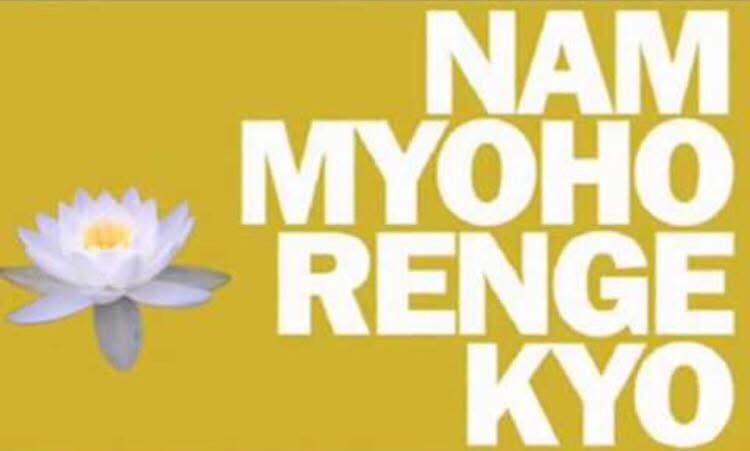
• Nam → devotion
• Myoho → the mystic law, the harmony of cause and effect
• Renge → the lotus flower, which blooms beautifully even in muddy water — a symbol of our ability to rise above struggles
• Kyo → the sound or vibration that carries truth
When you chant, you’re not calling on some outside power. You’re tapping into the strength, wisdom, and courage that already lives inside of you. You’re literally vibrating with your highest potential.
When I first started, I didn’t know what to expect. But with consistency, I began to notice changes:
• Healing after heartbreak → The constant loop of pain in my head started to quiet down. Chanting gave me peace.
• Clarity and direction → My mind felt sharper. I began to see solutions where before I only saw problems.
• Inner strength → I started believing in myself again. Chanting reminded me that I wasn’t powerless.
• Community → Being part of SGI meant I wasn’t alone. I met others who had their own struggles, but who leaned on chanting to overcome them.

It wasn’t a quick fix, but it was a steady practice that rebuilt me from the inside out.
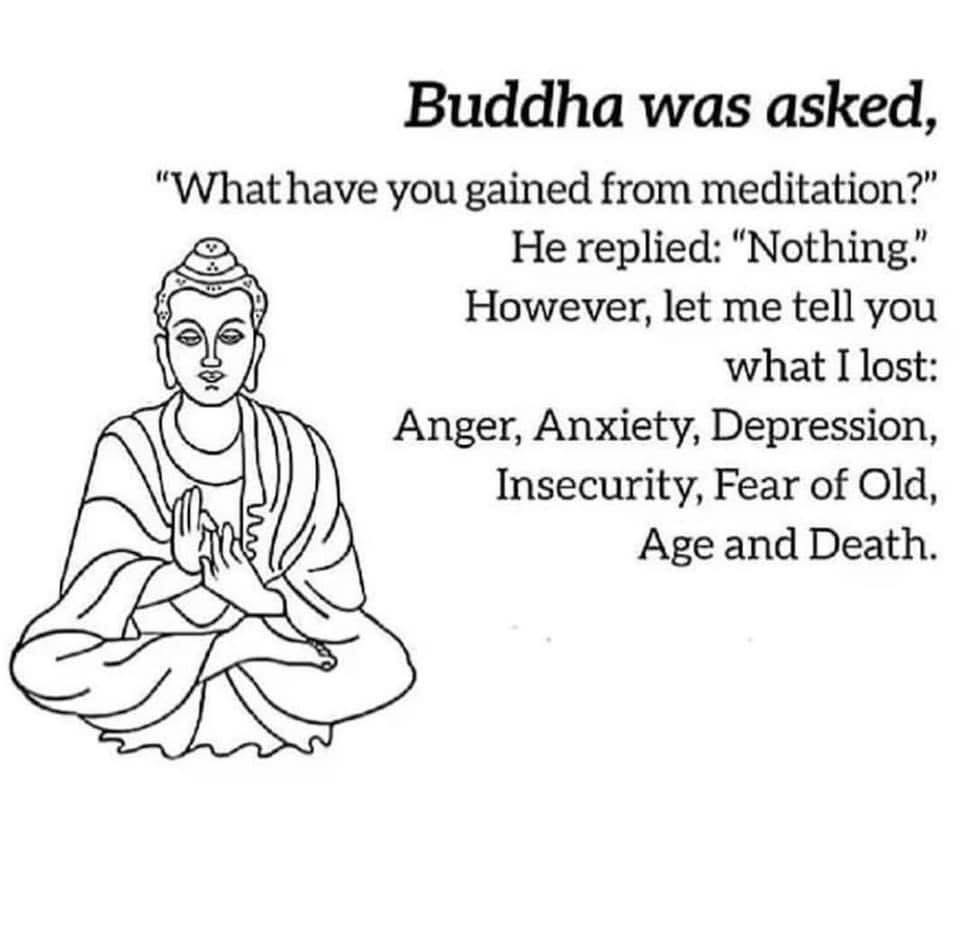
A lot of people assume SGI Buddhism is a religion in the traditional sense, but it’s not. There’s no worship of a god, no rules about who you have to be, and no one telling you what to believe. Instead, it’s a practice — like meditation, but with a chant.
For me, it was never about “joining a religion.” It was about creating a habit that kept me centered and reminded me of my own worth. It’s a practice that meets you where you are, no matter what you believe.
SGI is about human revolution — the idea that when you transform yourself, you transform the world around you. It’s about empowerment, resilience, and unlocking the highest version of yourself through daily practice.
Today, when I chant Nam-myoho-renge-kyo, I’m reminded of the lotus flower blooming in muddy water. Life isn’t always clean, pretty, or easy. But from struggle, beauty can emerge. From heartbreak, healing is possible. From silence, your voice can rise again.
That’s what SGI Buddhism gave me: my voice back.
Yours truly,
Day